April 30, 2026
Innovative training in Relational-Cultural Theory delivers lasting impact
The Center for Professional Training and Lifelong Learning at The College of St. Scholastica is nearing the end of its inaugural advanced training certificate in Relational-Cultural Theory (RCT). Launched in September, the online program provided participants with the insights and tools to practice from a place of empathetic relationship and mutual growth.
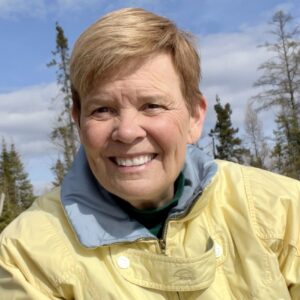 Led by Associate Professor of Social Work Dr. Connie Gunderson, this first-of-its-kind training featured live sessions with esteemed guest speakers from psychiatry, psychology, and social work, including scholars who helped establish the theory. The training is also a collaborative effort with the International Center for Growth in Connection (ICGC).
“The response to this program has been incredible,” said Dr. Gunderson. “The engagement and commitment shown by participants are a testament to the importance of RCT in fostering healthier relationships within our communities.”
Throughout the course, students delved into the principles of RCT, exploring themes such as the centrality of relationship, the neuroscience of connection, and the implications of identity and power dynamics within multicultural contexts. Additionally, participants engaged with practical tools like the C.A.R.E. Program and the RCT-Lens Bio-Psycho-Social-Spiritual Assessment, culminating in the development of a comprehensive RCT-focused portfolio.
Strong feedback and impact
“It’s been a great joy to see the RCT Advanced Certificate program come to fruition this year and to watch such a wide variety of practitioners deepen their understanding of and competence in this essential way of working and being,” said Myriam Barenbaum on behalf of the ICGC executive team. “I know that RCT theorist Dr. Jean Baker Miller would be thrilled! Thanks to Connie Gunderson, Jane Larson, and their team at St. Scholastica and beyond for making this possible.”
 Cohort feedback further highlights the transformative nature of the training. “This class truly moved me forward — both as a therapist and as a person. It has strengthened the way I show up in my relationships, including with my clients,” participant Stacy Nathan said of their experience. “The time commitment was real, and at times difficult to manage alongside my already busy, over-functioning life, but it was absolutely worth it. I can honestly say I have never gotten this much out of one single educational and connection experience.”
“RCT itself provides an overarching theory, concepts, and approach applicable to every context of human development and activity, which the teachers and presenters expertly, and compassionately, share,” agreed fellow participant Mary Hernandez. “The advanced training certificate for RCT provided immense value beyond traditional course structures by requiring that every artifact created by a student is not only grounded in theory but has immediate usability from the first assignment to the last. The design bridges both academic and practical, with participants walking away with a portfolio of student-created bespoke tools for their respective settings.”
“The impact of the training extends far beyond the individual participants,” Dr. Gunderson continued. “It empowers health and social service workers to be champions of relational and ecological justice, ultimately facilitating a more supportive, compassionate, and inclusive environment.”
Preparing for the next cohort
Interest remains high as the Center prepares for the next certificate cohort. The second offering of the advanced training certificate in Relational-Cultural Theory will begin in mid-September. The program is open to health care and social service workers with a bachelor’s degree, as well as lifelong learners with relevant experience.
“We are deeply moved by the overwhelming response to this certificate and remain committed to keeping this work within reach for everyone. To foster true inclusivity, we are pleased to offer scholarships that remove financial barriers, ensuring that this vital training remains accessible,” Dr. Gunderson said. “Join us for this transformative opportunity to deepen your understanding of the power of connection and become part of a global community committed to social and ecological change.”